
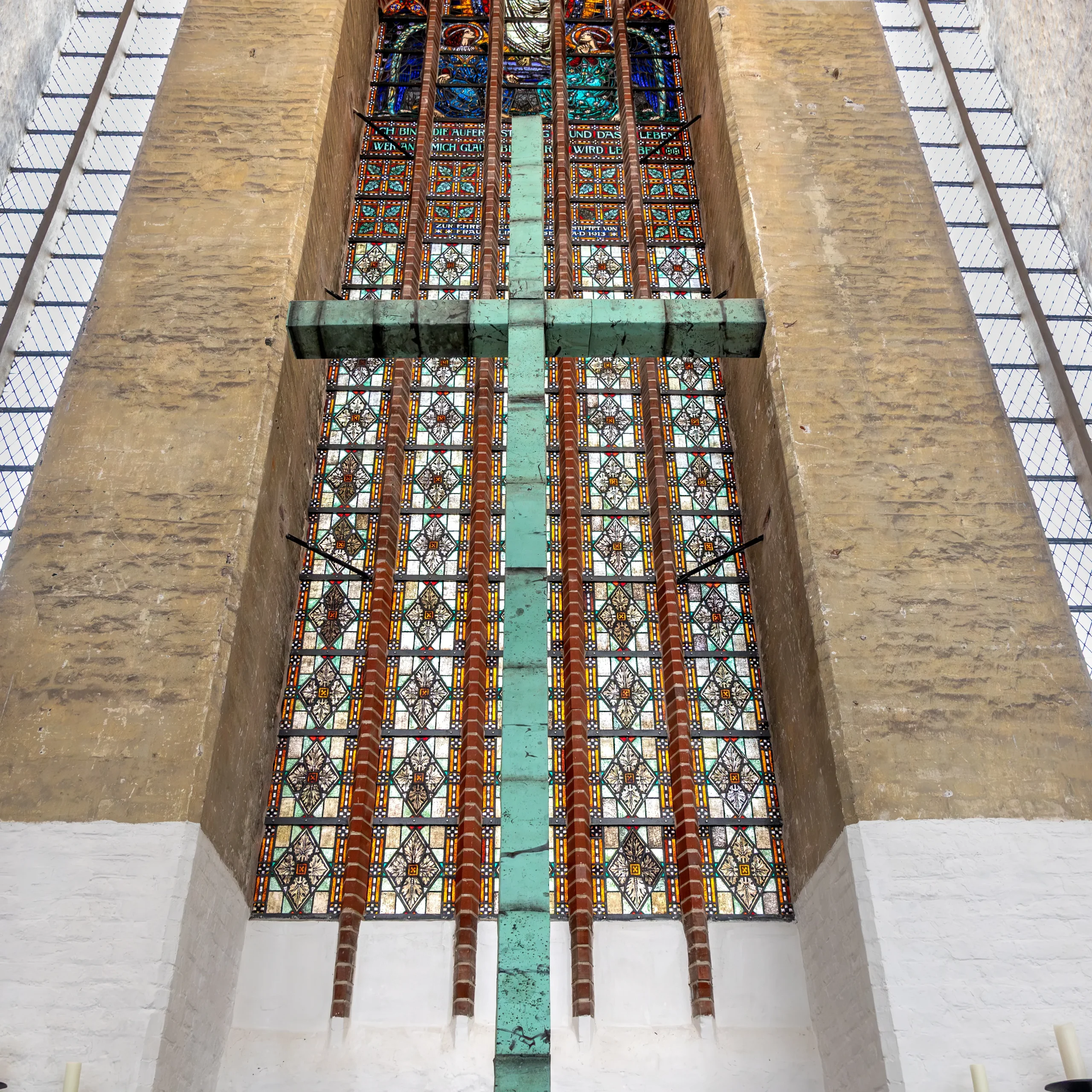

Hanging Church in Coptic Cairo
The Hanging Church, also known as the Virgin Mary Church Cairo, is one of the most important Christian landmarks in Egypt and a centerpiece among Old Cairo churches. Located in the heart of historic Coptic Cairo, the church stands as a powerful symbol of faith, resilience, and artistic heritage.
Dating back to the early centuries of Christianity, the church is renowned for its unique elevated structure, built atop the ancient Roman Babylon Fortress. Its name comes from its appearance, as if suspended above the ground, making the hanging church one of the most distinctive religious buildings in the region.
This guide explores the history, architecture, and spiritual significance of the church, what visitors can expect inside, and how to visit it as part of a deeper journey through the most important Coptic Cairo churches.
Cairo’s religious landmarks pair naturally with the nearby Great Pyramid of King Khufu at Giza.
Quick Facts
- Location: Old Cairo, Egypt
- Alternative name: Virgin Mary Church Cairo
- Best time to visit: Morning hours
- Time needed: 30–45 minutes
- Tickets/Entry: Free (donations welcomed)
- How to get there: Metro, taxi, or walking tour
- What to expect: Icons, wooden ceiling, marble pulpit
- Top highlights: Ancient icons, suspended structure, pulpit
- Tips: Dress modestly, respect worshippers
The Role of the Hanging Church in Coptic Cairo
Key Points:
- One of the oldest Christian churches in Egypt
- A cornerstone of Coptic Cairo churches
- Built over the Babylon Fortress gatehouse
- Symbol of Egypt’s Christian heritage
- Major spiritual and historical landmark in Old Cairo
The History of the Hanging Church Cairo
The Hanging Church Cairo dates back to the 3rd century AD, making it one of the earliest Christian places of worship in Egypt. It was constructed on top of the southern gatehouse of the Roman Babylon Fortress, which gave rise to its distinctive elevated position and iconic name.
Over the centuries, the church underwent multiple restorations, especially during the medieval period. Despite these changes, it preserved its historical character and religious importance. For several centuries, the Virgin Mary Church Cairo served as the official residence of the Coptic Patriarch, reinforcing its central role in Egypt’s Christian community.
Today, the church remains a vital monument that reflects the endurance of Christianity in Egypt and stands as a key stop among Old Cairo churches
The Coptic Mona Lisa and the 110 Icons
Inside the Hanging Church, one of the most memorable highlights is its collection of historic Coptic icons. The church is known for preserving around 110 icons, with the oldest traditionally identified as an 8th-century image of the Virgin Mary and Child, often nicknamed the “Coptic Mona Lisa” because of its expressive face and deeply human gaze. Most of the remaining icons date to later periods, especially the 18th century, giving visitors a layered view of Coptic devotional art across many generations.
The icons are not only decorative. They help explain the spiritual identity of the church, showing saints, biblical figures, and scenes that shaped the memory of Egypt’s Christian community. Visitors should also look carefully at the marble pulpit, traditionally interpreted through symbolic columns representing Christ and the apostles. Some visitor guides describe the pulpit as resting on 13 columns, although official monument sources describe the pulpit differently, so the exact number should be verified before publishing as a fixed fact.
Another important artwork to notice is the icon of St. George above the central door, often highlighted as one of the church’s most treasured early icons.
Visiting Practically: Mass Times, Dress Code & Photography
The Hanging Church is an active Coptic Orthodox church, so visitors should plan their visit with respect for worship times. Regular Coptic Mass is commonly listed on Wednesdays and Fridays from 8:00 AM to 11:00 AM, and on Sundays from 9:00 AM to 11:00 AM. Visitors, including non-Christians, are generally welcome to observe quietly, but sightseeing access may be limited during services. Because schedules can change during feast days or special church events, it is best to confirm locally before visiting.
For the best sightseeing experience, visit on a weekday morning between 9:00 AM and 11:00 AM, before larger tour groups arrive in Old Cairo. Entry is generally free, although a small donation is appreciated.
Dress modestly inside the church. Shoulders and knees should be covered for all visitors, and shorts or sleeveless tops are best avoided. Photography is usually allowed in the main nave, but visitors should avoid flash, avoid photographing worshippers closely, and follow any restrictions near the altar or during services.
How to Visit (Logistics)
- Knowing how to visit the Hanging Church makes exploring Coptic and Islamic landmarks in Cairo easy and rewarding.
- Getting There
- The church is located in Old Cairo near the Coptic Museum. Visitors can reach it by:
- Cairo Metro (Mar Girgis Station)
- Taxi or ride-hailing apps
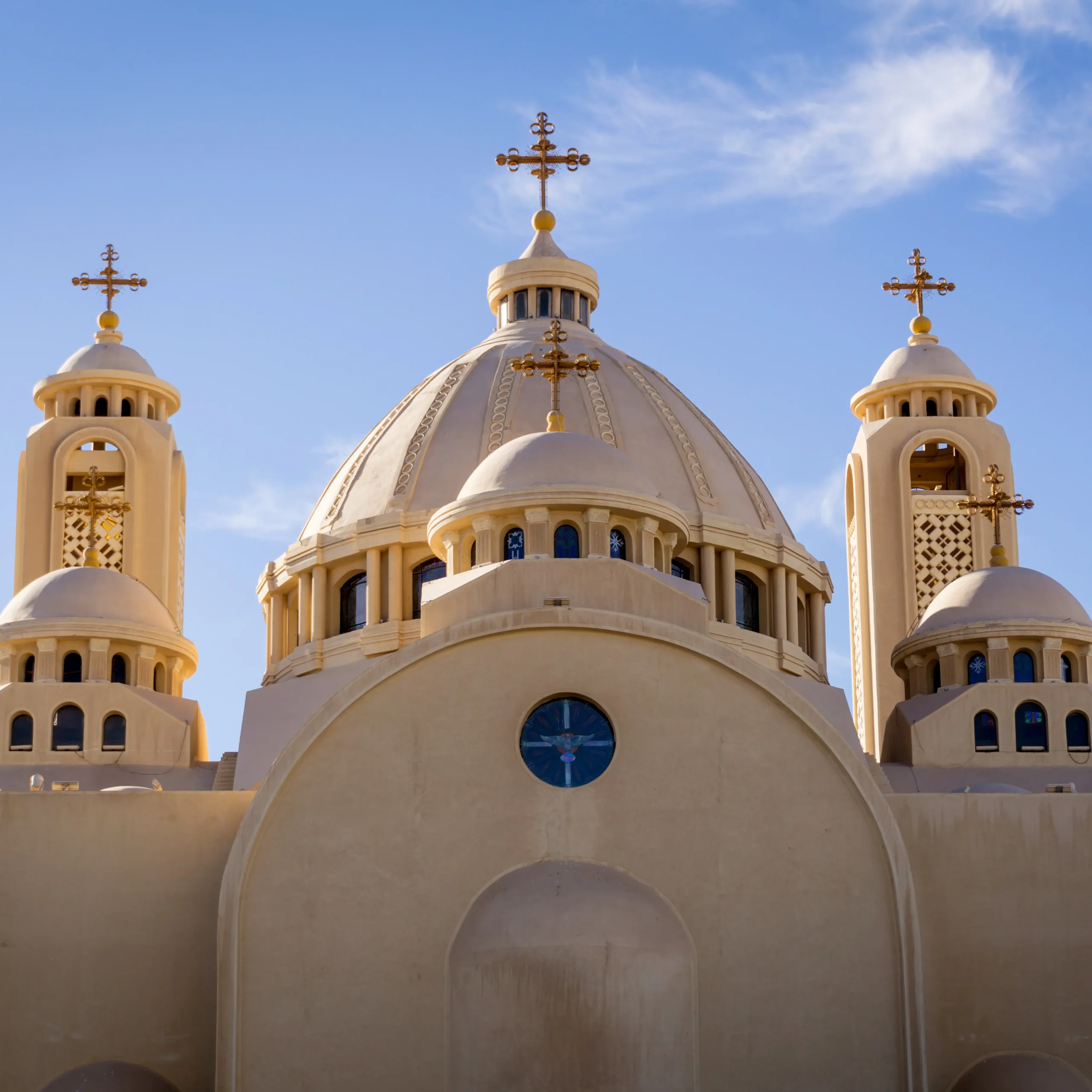
Guided walking tours of Coptic Cairo
Opening Hours
The Hanging Church is typically open daily from morning until afternoon, except during services.
Tickets
Entry is free of charge, though donations are appreciated.
Time Needed
Visitors usually spend 30 to 45 minutes exploring the church.
Best Time to Visit
Morning visits are ideal for a quieter experience and better lighting for viewing the icons.
Restoration and Conservation History
The Hanging Church has survived centuries of rebuilding, damage, and restoration, which is part of what makes it such an important monument in Coptic Cairo. Its elevated position above the Roman Babylon Fortress helped give the church its famous “hanging” name, but that same complex structure also made conservation especially important.
A major modern turning point came in 1983, when a section of the chapel ceiling collapsed after an interior column was removed, damaging parts of the church and its artwork. The 1992 Cairo earthquake caused further structural damage, leading to a long restoration campaign that began in the late 1990s and was completed in 2011. During this work, conservation teams restored the building, strengthened the structure, and clarified the relationship between the church and the Roman fortress towers beneath it.
This restoration history gives the Hanging Church more than architectural value. It shows how Egypt’s Coptic heritage has been actively preserved through modern conservation work. For visitors, the church is not only an ancient religious site, but also a living example of how fragile historic monuments are protected for future generations.
What You’ll See Inside the Hanging Church
Inside the Virgin Mary Church Cairo, visitors are welcomed by a serene atmosphere and remarkable artistry. The church features a wooden ceiling shaped like Noah’s Ark, symbolizing salvation and faith.
The interior is adorned with over 100 religious icons, some dating back to the 8th century. The marble pulpit, decorated with intricate geometric patterns, is one of the church’s most admired features. Visitors will also notice the 13 marble pillars, representing Jesus and the twelve disciples, with one darker pillar symbolizing Judas.
The beauty and symbolism found here make the Hanging Church one of the most impressive Coptic Cairo churches.
Tips (Practical Checklist)
- Dress modestly
- Visit outside service times
- Maintain silence inside
- Photography may be restricted
- Combine with nearby churches
- Allow time to view icons closely
- Respect worshippers
- Carry small cash for donations
- Use a guide for historical context
What to Visit Near the Hanging Church
The Hanging Church is surrounded by some of the most important Old Cairo churches, including the Church of St. Sergius and the Church of St. George. Nearby, the Coptic Museum offers deeper insight into Christian art and history in Egypt. Together, these landmarks create one of Cairo’s richest cultural and spiritual districts.
FAQs
A: The Hanging Church is located in Old Cairo, within the historic Coptic Cairo district.
A: It was built above the gatehouse of the Babylon Fortress, making it appear suspended above the ground.
A: Yes, both names refer to the same church.
A: Most visits last between 30 and 45 minutes.
A: No, entry is free, but donations are welcome.
Yes. Non-Christian visitors are generally welcome to enter the Hanging Church respectfully. During Mass, visitors may be able to observe quietly, but sightseeing movement can be restricted.
The “Coptic Mona Lisa” is the nickname often given to the Hanging Church’s oldest Virgin Mary and Child icon. It is admired for its expressive face and is traditionally dated to the 8th century.
Mass is commonly listed on Wednesdays and Fridays from 8:00 AM to 11:00 AM, and Sundays from 9:00 AM to 11:00 AM. Visitors should confirm locally because schedules may change during religious feasts or special services.
Photography is usually allowed in the main nave, but visitors should avoid flash, avoid photographing worshippers without permission, and respect restrictions near the altar or during services.
The best time to visit is usually on a weekday morning, especially around 9:00 AM to 11:00 AM, before larger tour groups arrive in Coptic Cairo.
Want to visit this site in person? Explore our Cairo tours including Coptic Cairo.
0 Comment