
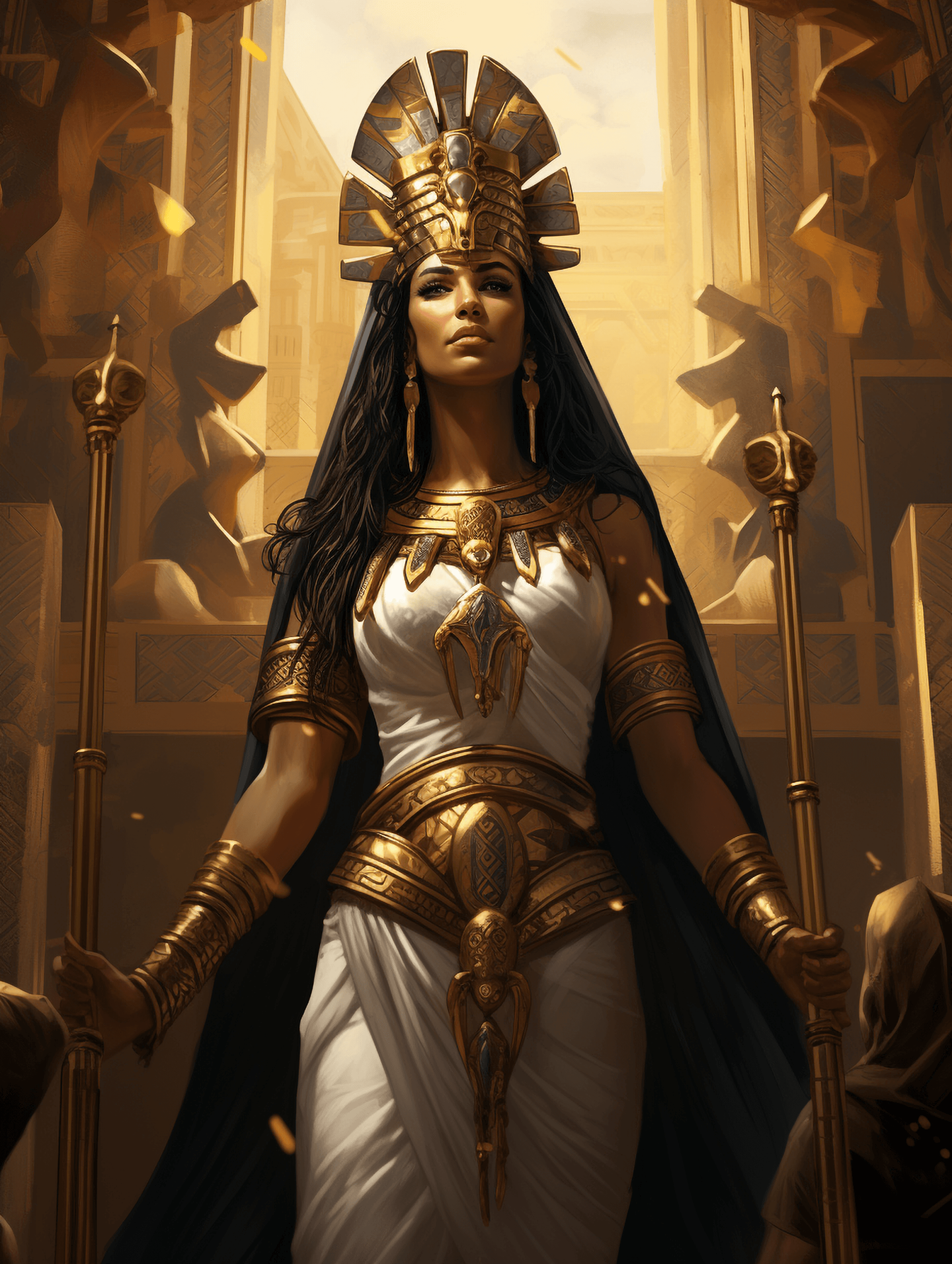

The Temple of Queen Nefertari is one of ancient Egypt’s most elegant and emotionally powerful monuments. Located near Egypt’s southern border, the temple forms part of the world-famous Abu Simbel complex and was built by Pharaoh Ramses II in honor of his beloved wife, queen nefertari, whose status is celebrated in both art and symbolism.
West Bank visitors often combine Karnak with Temple of Hatshepsut at Deir el-Bahari during the same Luxor day.
Nefertari Temple at Abu Simbel
Often overshadowed by the neighboring Great Temple, the Temple of Nefertari stands out for its refined artistry and symbolic depth. It is one of the few temples dedicated to a queen, portraying Nefertari not only as a royal consort but also as a divine figure closely associated with the goddess Hathor. This guide explores the history and meaning of the Queen Nefertari Temple, what you’ll see inside, and how to visit Abu Simbel as part of an unforgettable journey through southern Egypt.
Who Was Queen Nefertari?
- First Great Royal Wife of Ramesses II literate in hieroglyphs
- Conducted diplomatic correspondence with Hittite queens — her letters survive
- One of only 2 queens in Egyptian history to be deified and have a temple built in her honor
- Died before Ramesses, buried in QV66 (Valley of the Queens) — the most beautifully painted royal tomb in Egypt
- Nefertari means “Beautiful Companion”
How to Visit (Logistics)
Understanding how to visit Abu Simbel is key when planning a trip to see the Temple of Nefertari.
Check: Easter 2026 in Egypt: 4 Days Nile Cruise & Abu Simbel
Getting There
- Abu Simbel is located about 280 km south of Aswan. Visitors can reach it by:
- Early-morning guided day tours
- Private car with permits
- Short domestic flights from Aswan
- Opening Hours
- The site is generally open daily from early morning until late afternoon.
Tickets
- A single ticket grants access to both temples at Abu Simbel, including the Nefertari Temple.
- Time Needed
- Plan to spend around 30–45 minutes exploring the Queen Nefertari Temple, plus additional time for the Great Temple.
- Best Time to Visit
- Early morning visits are recommended to avoid heat and crowds.
What You’ll See Inside the Nefertari Temple
- Vestibule: Nefertari offering to various gods bas-reliefs fully intact
- Hypostyle Hall: 6 Hathor-headed columns; scenes of Nefertari and Ramesses before deities
- Sanctuary: Hathor as divine cow emerging from the rock face — one of the most unusual images in all of Egyptian art
- Facade: 6 colossal statues (4 Ramesses, 2 Nefertari), all same height unprecedented in Egyptian art queens were normally shown smaller
The façade of the Temple of Nefertari features six towering statues four of Ramses II and two of queen nefertari, an extraordinary detail that places the queen on equal footing with the pharaoh.
Inside, the walls are richly decorated with colorful reliefs showing Nefertari offering gifts to the gods, standing alongside Ramses II, and receiving blessings from Hathor and Isis. The columns are crowned with Hathor’s face, reinforcing the temple’s spiritual symbolism.
The artistry, symmetry, and remarkably preserved colors make the interior of the Nefertari Temple one of the most visually striking spaces in all of ancient Egypt.
Check: 7 Day Cairo, Alexandria, Luxor, Edfu, Kom Ombo, Aswan & Abu Simbel – Easter 2026
The UNESCO Relocation: An Engineering Marvel
- Both Abu Simbel temples cut into 1,036 precisely numbered blocks (1964–1968)
- Lifted 65 metres, reassembled 200 metres back from original location
- Cost: over $40 million funded by 50+ countries
- UNESCO World Heritage Site designation: 1979
- This was the largest archaeological rescue operation in history
Tips (Practical Checklist)
- Start early from Aswan
- Bring water and sun protection
- Wear comfortable walking shoes
- Combine with the Great Temple visit
- Follow photography guidelines
- Allow time to explore interiors
- Avoid peak midday heat
- Consider a guided tour for context
- Carry snacks for the journey
What to Visit Near the Temple of Queen Nefertari
The Temple of Queen Nefertari is visited alongside the Great Temple of Ramses II at Abu Simbel, forming one of Egypt’s most iconic archaeological experiences. Many travelers combine this visit with an Aswan itinerary that includes Philae Temple, the Aswan High Dam, and a Nile cruise, allowing them to better understand the legacy of queen nefertari within the broader history and culture of southern Egypt.
FAQs
The temple is located at Abu Simbel in southern Egypt, near the Sudanese border.
It was built by Pharaoh Ramses II in honor of his wife, Queen Nefertari.
Yes. It is part of the Abu Simbel complex, alongside the Great Temple of Ramses II.
Most visitors spend about 30 to 45 minutes inside the temple.
Absolutely. It is one of the most artistic and emotionally powerful temples in ancient Egypt.
No the tomb is QV66 in Luxor’s Valley of the Queens
Hathor
Oct 22 and Feb 22 at the Great Temple
Yes, Queen Nefertari, the beloved chief wife of Ramesses II, was deified and worshipped as a goddess
The Temple of Queen Nefertari at Abu Simbel is one of Egypt’s most romantic highlights—discover our Egypt honeymoon packages to Abu Simbel.




0 Comment